How to Keep Your Cigars From Cracking
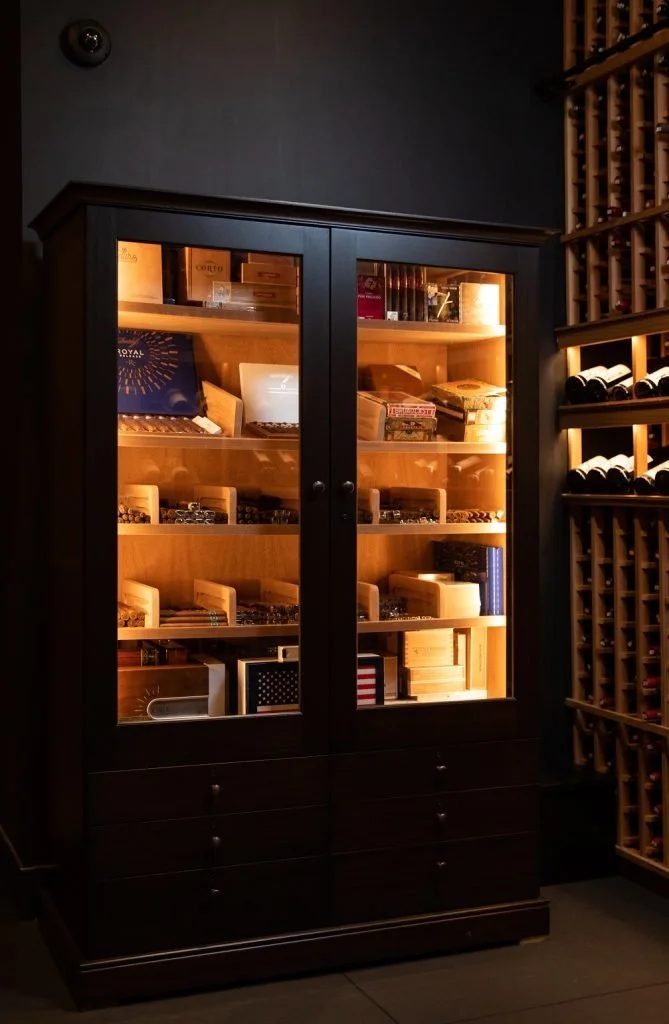
Cigar wrappers crack primarily from environmental stress like low humidity, rapid temperature fluctuations, or rough handling during storage and lighting. Mastering consistent storage and mindful rituals keeps your collection pristine. Detailed practices below expand on prevention for optimal enjoyment.
Ideal Storage Conditions
Maintaining the perfect humidor environment demands precision, as cigar wrappers often consist of the thinnest tobacco leaf and prove highly sensitive to moisture levels. Aim for 65 to 70 percent relative humidity and a steady 70 degrees Fahrenheit temperature. Below 60 percent relative humidity, leaves become brittle like dry parchment and prove prone to splitting under their own weight or slight pressure. Excess above 75 percent causes wrappers to swell and burst from internal steam during lighting or puffing. Invest in a digital hygrometer with calibration features. Test it monthly using the salt test, a small dish of table salt and a few drops of water that should read 75 percent relative humidity after 24 hours. Pair it with reliable humidification like Boveda 69 percent packs or crystal beads soaked in distilled water or propylene glycol solution. Avoid tap water's minerals that foster mold or uneven hydration. Fluctuations from poor seals, door openings in dry climates, or seasonal heating exacerbate issues. Season new humidors gradually over two weeks by wiping interiors with a PG solution and monitoring daily. Once stable, your cigars will age gracefully and develop richer flavors without structural failure.
Positioning matters too. Never cram. Leave space for air circulation, as stagnant pockets create microclimates leading to soft spots or cracks. For larger collections, segment by vitola size using Spanish cedar separators to promote even exposure. Perform biweekly rotations like a gentle game of musical chairs to equalize conditioning across the stock.
Proper Humidor Organization
Overcrowding turns your humidor into a sweatbox. It traps humidity unevenly and causes wrappers to absorb moisture inconsistently. This manifests as cracks when you pull one out for a smoke. Organize vertically or horizontally with Boveda holders and cedar dividers to ensure every cigar breathes freely. This mimics the factory bales' controlled aging. It prevents pressure points where filler tobaccos expand against fragile wrappers during humid swings. Label sections by brand or strength for easy access. Minimize lid lifts to once daily. Inspect weekly for signs of distress like dull wrappers or mold. Address with gentle rehydration or removal.
In variable climates like Northern Virginia winters, where indoor heating drops relative humidity to 30 to 40 percent, elevate your humidor off cold floors on risers and insulate if needed. Poor seals from warped wood demand beeswax or silicone maintenance annually. Stock rotation follows first in first out principles. Smoke oldest first to avoid overaging that brittles wrappers. This ensures each stick emerges factory fresh and crack free.
Pre-Smoke Preparation
Before lighting, acclimate cigars to ambient room conditions, especially in dry winters or after humid storage. Remove from humidor and rest in a dry box, an airtight Tupperware with a 65 percent Boveda, for 1 to 2 hours to equilibrate internal moisture with external air. This prevents rapid expansion that splits seams when flame hits. This burping step proves crucial for Connecticut shade wrappers, notoriously thin and reactive. Test by feel. A supple springy wrapper resists fingernail pressure without cracking, unlike the rigid papery feel of under hydrated sticks.
In stable summer humidity, skip prolonged drying to avoid desiccation. Clip precisely with guillotine or V cuts at a 45 degree angle just above the cap's shoulder. This ensures an even draw that distributes heat gently. Pre light inspection under soft light reveals micro cracks early. Address with a humidor rest if minor. This transforms ritual into safeguard.
Smoking Best Practices
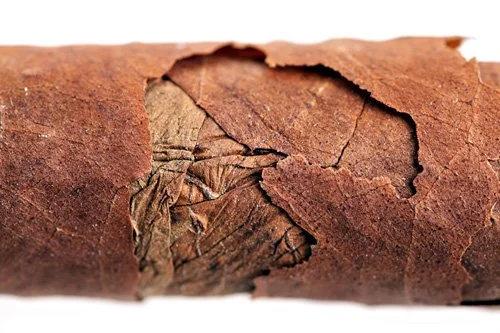
Improperly humidified cigar
Slow deliberate puffs, 30 to 45 seconds apart, keep core temperatures low. They avoid the steam buildup that balloons fillers and tears wrappers. Rapid inhales mimic a locomotive. They cook internals and crack exteriors like overinflated balloons. Roll ash frequently on a firm tray's edge with thumb pressure. Never tap the cigar end, which jars fragile leaves. Maintain a thumb sized coal through relights only if needed. Use cedar spills or butane lighters away from the wrapper to dodge torch singes.
Choose tools wisely. Sharp cutters prevent ragged edges that unevenly burn and stress seams. Quad flame lighters offer control over single jet blasts. In groups, designate an ashtray rotation to cool sticks between turns. This preserves integrity through the full inch burn.
Quick Fixes for Cracks
Minor fissures respond to 24 to 72 hours in humidor rehydration. Place wrapper facing up on cedar slats. Monitor to avoid over softening. Test flex before smoking. For stubborn splits, dab neutral pectin based glue like cigar specific adhesives sparingly with a toothpick. Harvest a patch from a budget cigar's foot. Match vein direction. Press with cellophane. Humidor cure overnight for seamless integration.